
Start Teaching AI Literacy Today - No Prep Required
Students are already using AI.
Most haven’t been taught how to evaluate it, question it, or use it responsibly. Students should:
STOP before they trust or share what AI produces,
THINK about whether it is accurate, fair and appropriate,
and CHOOSE how they want to proceed.
This AI Literacy Quick Start Kit gives you a way to start immediately.
Use ready-to-go lessons to help students:
Understand how AI works
Think critically about what it produces
Build safe, responsible technology habits
Designed for real classrooms - no setup required.
Everything You Need to Teach the Lesson
Each lesson is designed to guide you and your students - no extra prep required.
Alignments to research-based AI Frameworks
Clear lesson goals and built-in guidance for leading discussions
Key vocabulary to introduce and reinforce understanding
Common misconceptions to address in real time
Connections to core subjects to support classroom integration
Built-in educator support to help you teach with confidence
Choose a grade band and start teaching in minutes.
A Clear, Classroom-Ready Way to Teach AI, Safety, and Digital Literacy
If this works in your classroom, it shouldn’t stop there.
Use this ready-to-send letter to share AI literacy with your school or district—and start the conversation about teaching students how to use AI safely and responsibly.
A Clear Path to Teaching AI, Safety, and Digital Literacy
Everything you need - ready to teach
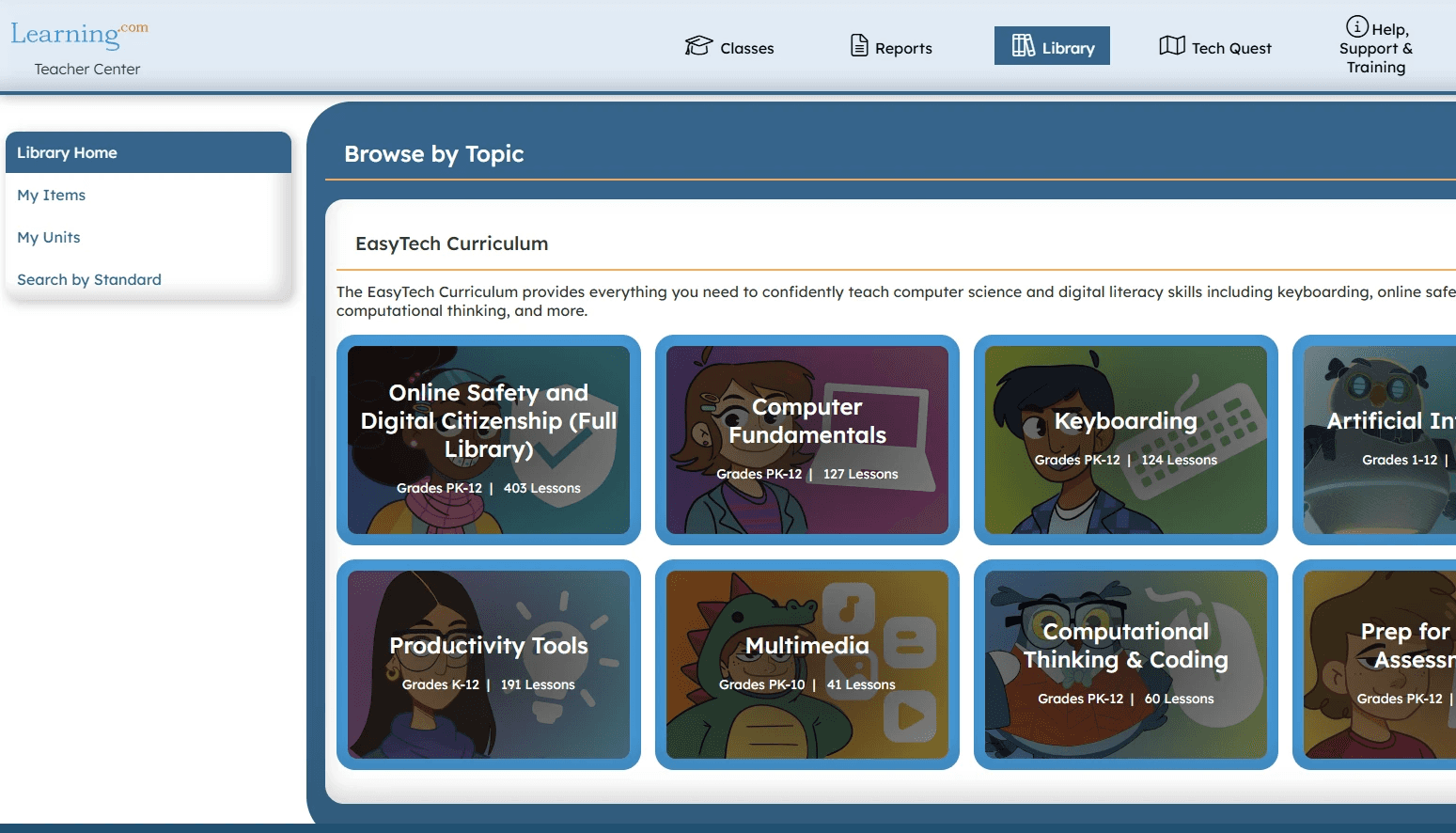
Teach digital literacy, online safety, and AI in one place with structured, ready-to-use lessons—so you can spend less time planning and more time teaching.
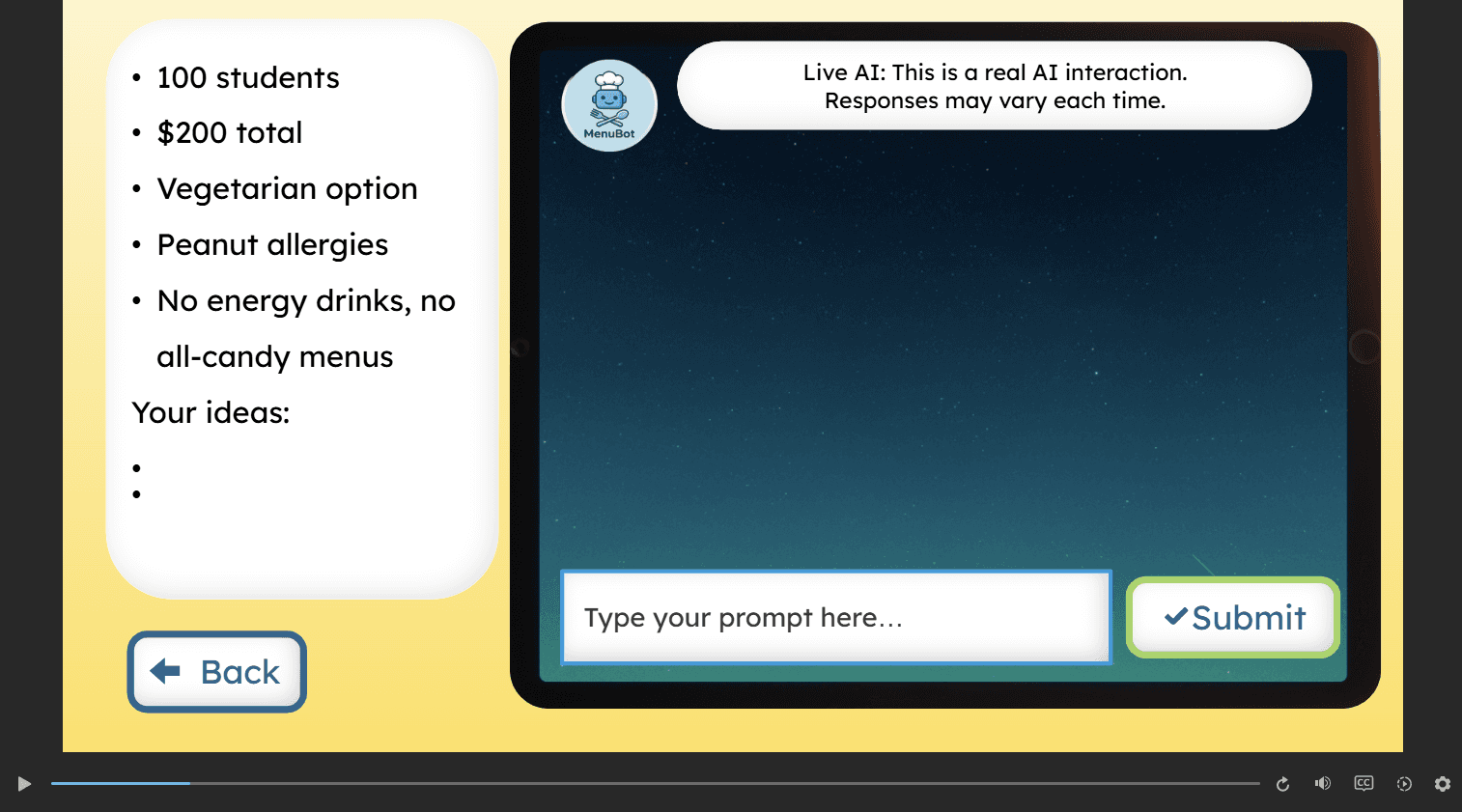
Introduce AI with confidence
Guide students through AI concepts with built-in structure and safeguards—no guesswork, no risk of unsafe use, and no need to become an AI expert first.
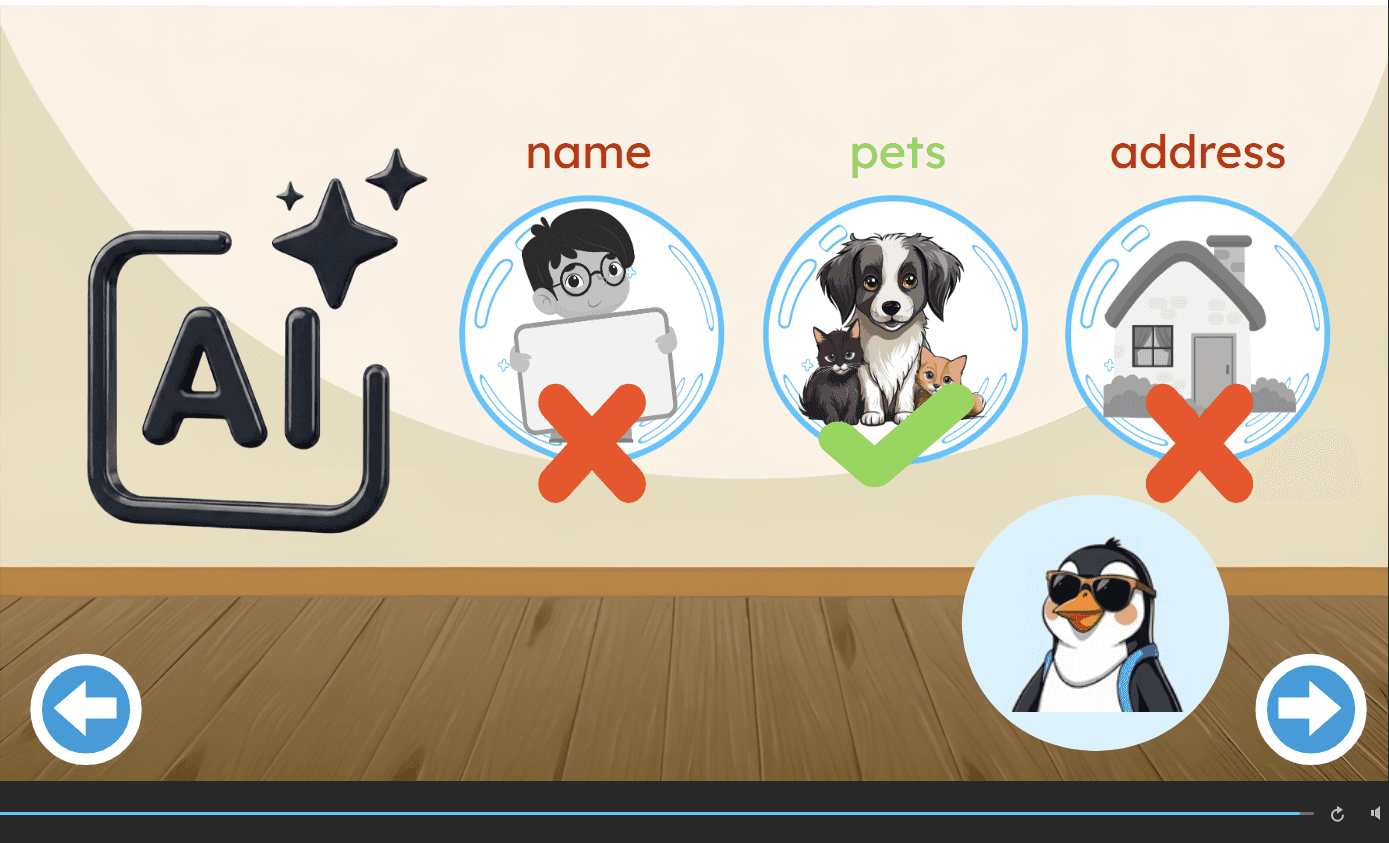
Turn AI into a thinking skill - not just a tool
Help students question, evaluate, and use AI responsibly through guided practice and real classroom scenarios - so they learn how to think, not just what to click.
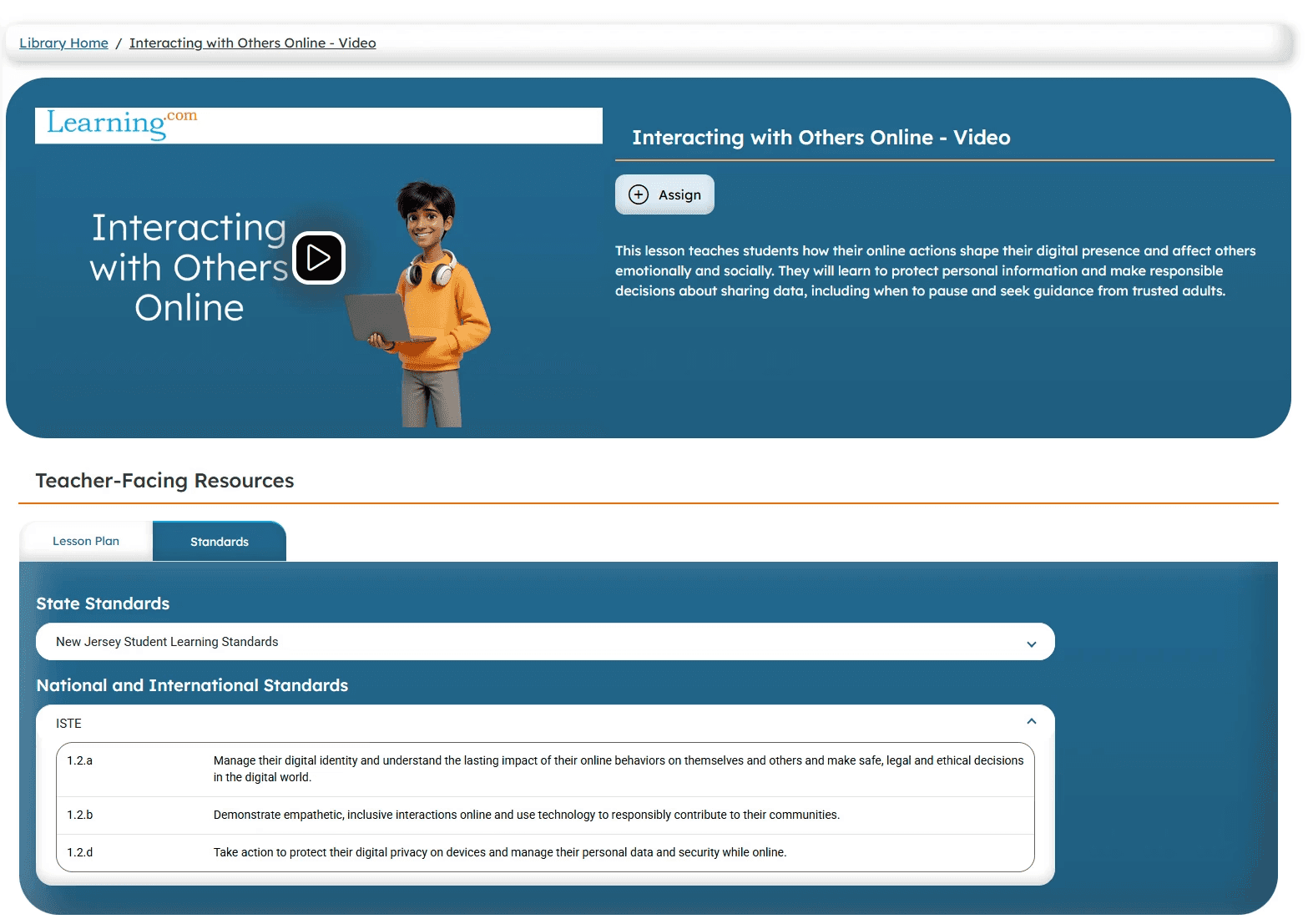
Ready-to-use lessons - no prep required
Get frameworks-aligned lessons you can use right away, with built-in activities that guide students step-by-step—so you’re not starting from scratch.
Works with the way you already teach
Use lessons for whole class, small groups, or independent work - flexible enough to fit your schedule, pacing, and classroom needs.
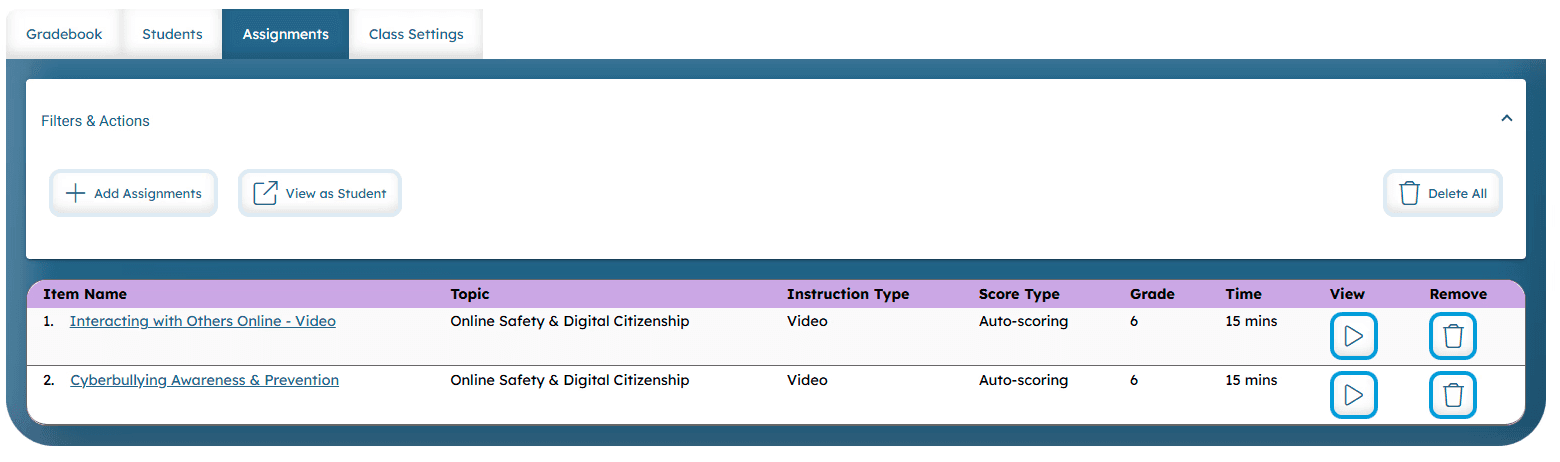
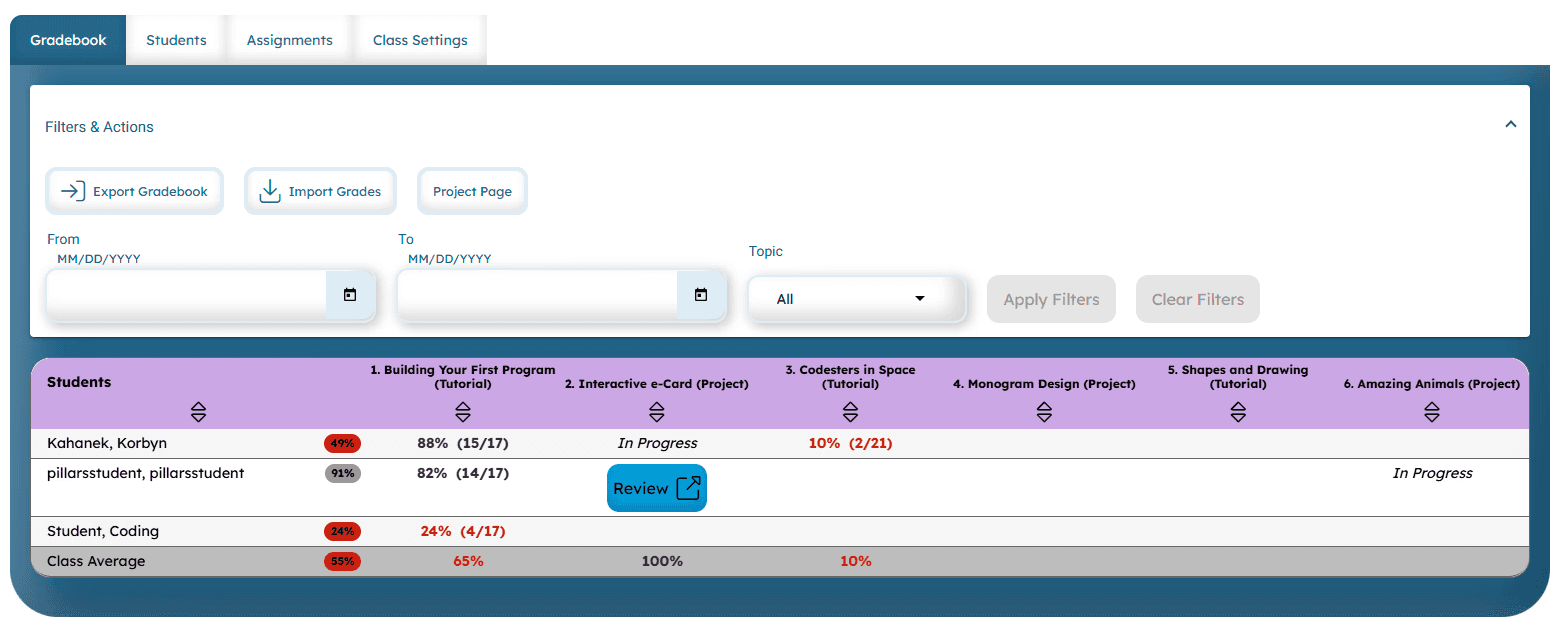
Spend less time grading and tracking
Automatic grading, progress tracking, and ready-made activities handle the busywork - so you can focus on teaching, not managing.
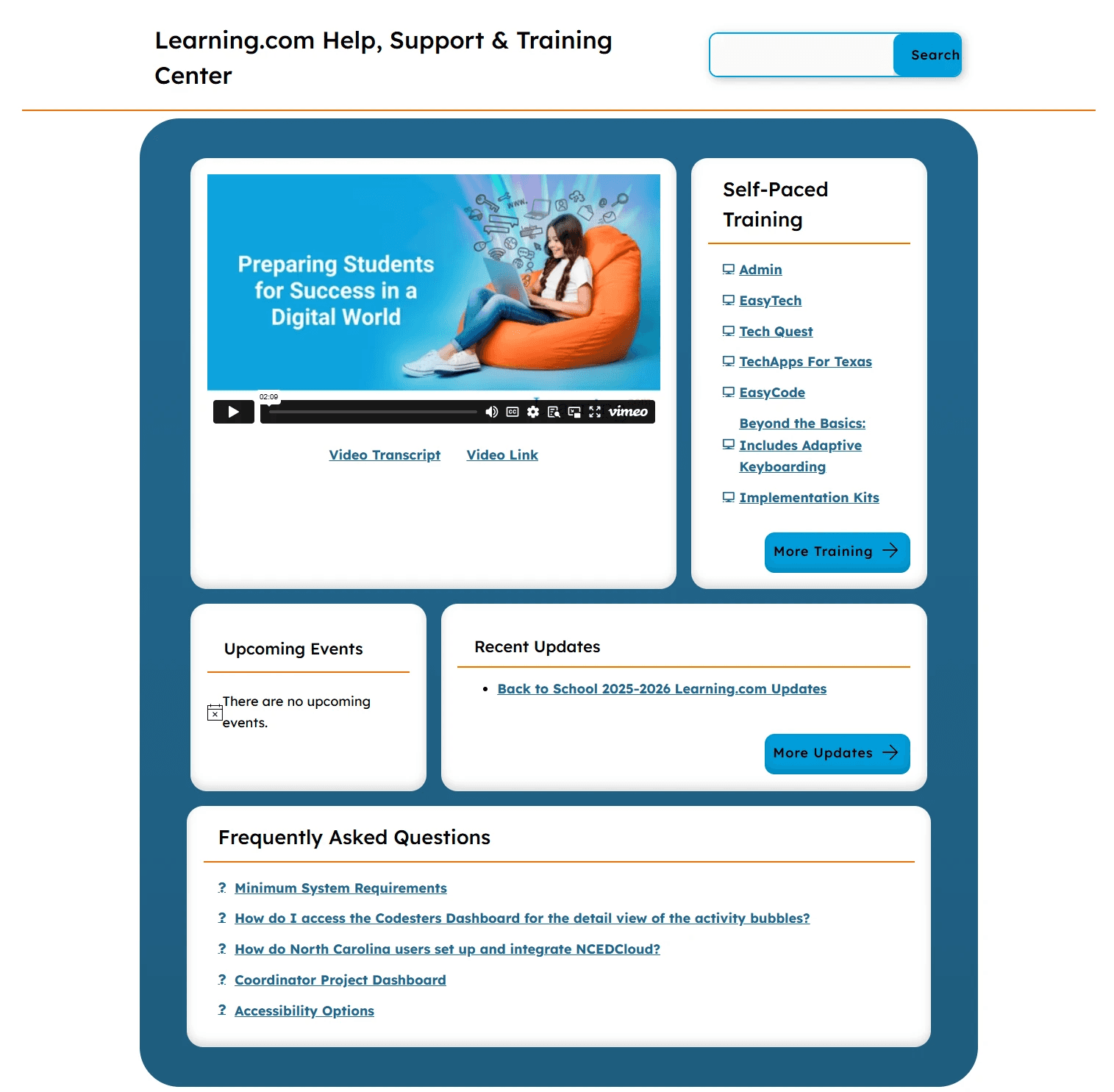
You’re not on your own
Access help, training, and resources whenever you need them - so you can get up and running quickly and keep lessons moving without disruption.
* Survey: 86% of Students Already Use AI in Their Studies — Campus …, accessed March 6, 2025, https://campustechnology.com/articles/2024/08/28/survey-86-of-students-already-use-ai-in-their-studies.aspx
** Report: DQInstitutue 2023 CHILD ONLINE SAFETY https://www.dqinstitute.org/news-post/child-online-safety-index-reveals-a-persistent-cyber-pandemic/
Learning.com helps schools prepare students for a digital and AI-driven world through trusted digital literacy and AI literacy instruction for grades K–8.
Explore resources that help students build the foundational skills needed to navigate technology safely, think critically about digital information, and understand emerging technologies like artificial intelligence.